


In the realm of personal protective equipment (PPE) manufacturing, China has emerged as a global leader, offering high - quality machinery at competitive prices. Among the essential machines in this industry is the China PE Apron Machine. As a supplier of such machines, I am excited to share with you how this remarkable piece of equipment operates.
Understanding the Basics of a PE Apron
Before delving into how the machine works, it's crucial to understand what a PE apron is. Polyethylene (PE) aprons are widely used in various industries, including food processing, healthcare, and chemical handling. They are lightweight, waterproof, and resistant to many chemicals, making them an ideal choice for protection against spills, splashes, and contaminants.
The Main Components of a China PE Apron Machine
A typical China PE Apron Machine consists of several key components, each playing a vital role in the production process.

- Extrusion Unit: This is the heart of the machine. It is responsible for melting the polyethylene raw material. The extrusion unit usually contains a hopper where the PE granules are loaded. These granules are then fed into a screw conveyor, which pushes them towards a heated barrel. Inside the barrel, the heat supplied by heating elements melts the PE granules into a molten state.
- Die Head: Once the PE is in a molten state, it is forced through the die head. The die head is designed to shape the molten PE into a flat, continuous sheet. The width and thickness of the sheet can be adjusted according to the specific requirements of the aprons being produced.
- Cooling System: After the sheet emerges from the die head, it needs to be cooled down rapidly to solidify. A cooling system, usually consisting of a series of rollers or water - cooled chill rolls, is used for this purpose. The rollers not only cool the sheet but also help to maintain its flatness and thickness uniformity.
- Printing Unit (Optional): Some China PE Apron Machines come with a printing unit. This unit can be used to print logos, instructions, or other information on the aprons. The printing process can be done using various methods such as flexographic printing or gravure printing, depending on the complexity and quality of the print required.
- Cutting and Sealing Unit: Once the cooled and printed (if applicable) sheet is ready, it is sent to the cutting and sealing unit. This unit cuts the continuous sheet into individual apron shapes and seals the edges to prevent fraying. The cutting can be done using a sharp blade, while the sealing is often achieved through heat - sealing techniques.
The Step - by - Step Working Process
- Raw Material Loading: The first step in the production process is to load the polyethylene granules into the hopper of the extrusion unit. The quality of the raw material is crucial as it directly affects the quality of the final aprons. As a supplier, we ensure that our customers have access to high - quality PE granules to produce durable and reliable aprons.
- Extrusion: The screw conveyor in the extrusion unit moves the PE granules towards the heated barrel. As the granules are pushed forward, they are subjected to increasing heat, gradually melting them into a homogeneous molten mass. The temperature and speed of the screw conveyor are carefully controlled to ensure a consistent flow of molten PE.
- Sheet Formation: The molten PE is then forced through the die head, which shapes it into a flat sheet. The die head has a specific design that determines the width and thickness of the sheet. The operator can adjust the die head parameters to meet the customer's requirements for the apron size.
- Cooling: The newly formed sheet is immediately passed through the cooling system. The chill rolls or water - cooled rollers remove the heat from the sheet, causing it to solidify. This rapid cooling helps to maintain the desired physical properties of the PE, such as its strength and flexibility.
- Printing (if required): If the aprons need to be printed, the cooled sheet is sent to the printing unit. Here, the printing plates or cylinders are loaded with the desired ink and pattern. The sheet passes through the printing unit, where the ink is transferred onto the surface of the apron.
- Cutting and Sealing: After printing (or directly from the cooling system if no printing is required), the sheet reaches the cutting and sealing unit. The cutting blade cuts the sheet into individual apron shapes, while the heat - sealing mechanism seals the edges. This ensures that the aprons are not only properly sized but also have a finished look.
- Quality Inspection and Packaging: Once the aprons are cut and sealed, they go through a quality inspection process. Any defective aprons are removed from the production line. The合格 aprons are then packaged for shipment.
Advantages of Using a China PE Apron Machine
There are several reasons why our China PE Apron Machines are highly sought after in the market.
- Cost - effectiveness: Chinese manufacturers are known for their ability to produce high - quality machinery at relatively low costs. This allows our customers to invest in a reliable PE apron production solution without breaking the bank. For example, compared to machines from some Western countries, our machines can offer similar or even better performance at a fraction of the price.
- Customization: Our machines can be customized to meet the specific needs of different customers. Whether it's the size of the aprons, the printing requirements, or the production capacity, we can tailor the machine to suit the customer's production goals.
- High Efficiency: China PE Apron Machines are designed for high - speed production. They can produce a large number of aprons in a short period, which is essential for meeting the high - demand market.
Related Machines in Our Product Line
In addition to the China PE Apron Machine, we also offer a range of related machines for different industries. For example, if you are in the cosmetic industry, you might be interested in our Low Cost Cosmetic Lotion Tube Filling And Sealing Machine. This machine is designed to fill and seal cosmetic lotion tubes accurately and efficiently.
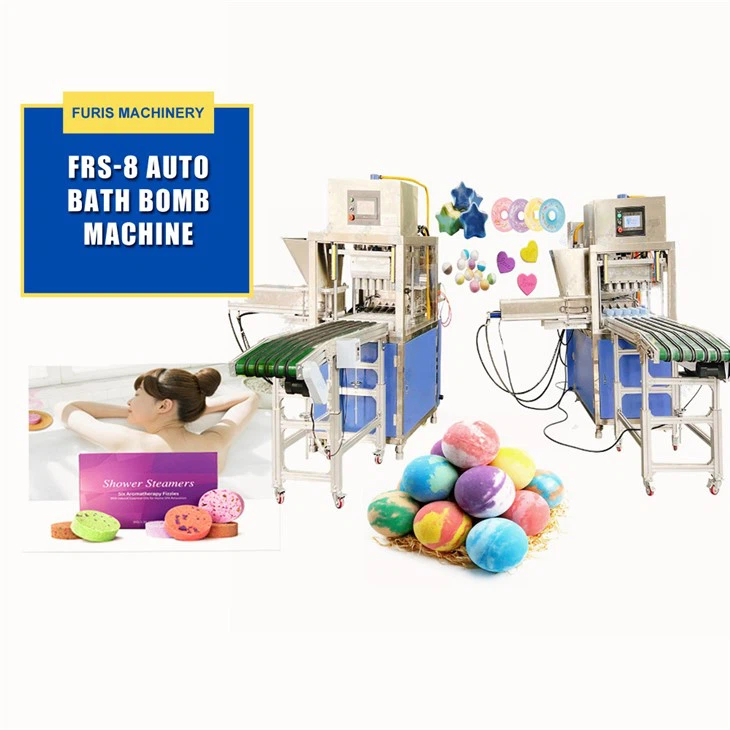
If you are involved in the bath bomb production, we have Alibaba Bath Bomb Machine Bath Bomb Molds Machine and High capacity Industrial Bath Bomb Hydraulic Machine Maker Presser. These machines can help you produce high - quality bath bombs with consistent shapes and sizes.
Contact Us for Purchase and Negotiation
If you are interested in our China PE Apron Machine or any of our other products, we encourage you to contact us for purchase and negotiation. Our team of experts is ready to assist you in choosing the right machine for your production needs, providing technical support, and offering after - sales service. We believe that our machines can bring significant value to your business and help you stay competitive in the market.
References
- "Plastics Processing Machinery Handbook" by John A. Brydson
- "Industrial Production Technology" by various authors
- Industry reports on PPE manufacturing and machinery trends.