


How to improve the coating uniformity of a film coating machine?
As a trusted Film Coating Machine supplier in the industry, I understand the critical role that coating uniformity plays in the quality of the final product. Whether it's for pharmaceutical tablets, food products, or other coated items, achieving consistent coating thickness and appearance is essential for product performance and consumer satisfaction. In this blog post, I'll share some practical tips and best practices to help you improve the coating uniformity of your film coating machine.
Understanding the Basics of Coating Uniformity
Before diving into the specific strategies, it's important to understand what coating uniformity means and why it matters. Coating uniformity refers to the even distribution of the coating material over the surface of the substrate. A uniform coating ensures that each tablet or product receives the same amount of coating, which in turn affects its dissolution rate, appearance, and shelf life. Inconsistent coating can lead to issues such as uneven color, poor adhesion, and variations in drug release, which can impact product quality and regulatory compliance.
Factors Affecting Coating Uniformity
Several factors can influence the coating uniformity of a film coating machine. Understanding these factors is crucial for identifying potential issues and implementing effective solutions. Here are some of the key factors to consider:
- Equipment Design and Configuration: The design and configuration of the film coating machine can have a significant impact on coating uniformity. Factors such as the shape and size of the coating pan, the spray system, and the air flow pattern can all affect how the coating material is applied and distributed. For example, a properly designed coating pan with a smooth interior surface and optimized baffles can help to ensure that the tablets or products are tumbled evenly, promoting uniform coating application.
- Coating Material Properties: The properties of the coating material, such as viscosity, surface tension, and drying rate, can also affect coating uniformity. A coating material with high viscosity may be more difficult to apply evenly, while a material with a fast drying rate may cause the coating to dry too quickly, resulting in uneven thickness. It's important to select a coating material that is suitable for your specific application and to optimize the coating formulation to achieve the desired coating properties.
- Process Parameters: The process parameters used during the coating process, such as spray rate, atomization pressure, inlet air temperature, and exhaust air flow rate, can all impact coating uniformity. These parameters need to be carefully controlled and optimized to ensure that the coating material is applied evenly and that the tablets or products are dried properly. For example, a high spray rate may result in overspray or uneven coating, while a low inlet air temperature may cause the coating to dry too slowly, leading to sticking or agglomeration.
- Tablet or Product Characteristics: The characteristics of the tablets or products being coated, such as size, shape, density, and surface roughness, can also affect coating uniformity. Irregularly shaped tablets or products with a rough surface may be more difficult to coat evenly, as the coating material may not adhere well to these surfaces. It's important to consider these factors when selecting the coating process and equipment and to make any necessary adjustments to ensure uniform coating.
Strategies for Improving Coating Uniformity
Now that we've discussed the factors that can affect coating uniformity, let's explore some strategies for improving it. Here are some practical tips and best practices to help you achieve consistent coating results:
- Optimize Equipment Design and Configuration: As mentioned earlier, the design and configuration of the film coating machine can have a significant impact on coating uniformity. Make sure that your coating machine is properly designed and configured for your specific application. Consider factors such as the size and shape of the coating pan, the spray system, and the air flow pattern. You may also want to consider using a coating machine with advanced features, such as a programmable logic controller (PLC) or a computerized control system, to help you optimize the coating process and ensure consistent results.
- Select the Right Coating Material: Choosing the right coating material is essential for achieving uniform coating results. Consider the properties of the coating material, such as viscosity, surface tension, and drying rate, and select a material that is suitable for your specific application. You may also want to consider using a coating material that is specifically formulated for your product or application, as this can help to ensure better adhesion and uniformity.
- Control Process Parameters: The process parameters used during the coating process need to be carefully controlled and optimized to ensure uniform coating. Monitor and adjust the spray rate, atomization pressure, inlet air temperature, and exhaust air flow rate to ensure that the coating material is applied evenly and that the tablets or products are dried properly. You may also want to consider using a process control system to help you monitor and control these parameters in real-time.
- Pre-Treat the Tablets or Products: Pre-treating the tablets or products before coating can help to improve coating uniformity. For example, you can use a pre-coating process to apply a thin layer of coating material to the tablets or products to improve their surface smoothness and adhesion. You can also use a surface treatment process, such as plasma treatment or corona treatment, to modify the surface properties of the tablets or products and improve the adhesion of the coating material.
- Use a Quality Control System: Implementing a quality control system is essential for ensuring consistent coating results. Use a quality control system to monitor and measure the coating thickness, appearance, and other quality parameters of the coated tablets or products. You can use a variety of techniques, such as microscopy, spectroscopy, and image analysis, to measure these parameters. By monitoring and controlling the quality of the coating process, you can identify any potential issues early on and take corrective action to ensure consistent coating results.
Our Film Coating Machine Solutions
At [Our Company Name], we offer a wide range of film coating machines that are designed to provide high-quality, uniform coating results. Our machines are available in various sizes and configurations to meet the needs of different applications and production volumes. We also offer a range of optional features and accessories, such as spray systems, air handling systems, and control systems, to help you customize your coating machine and optimize the coating process.
Here are some of our popular film coating machine models:
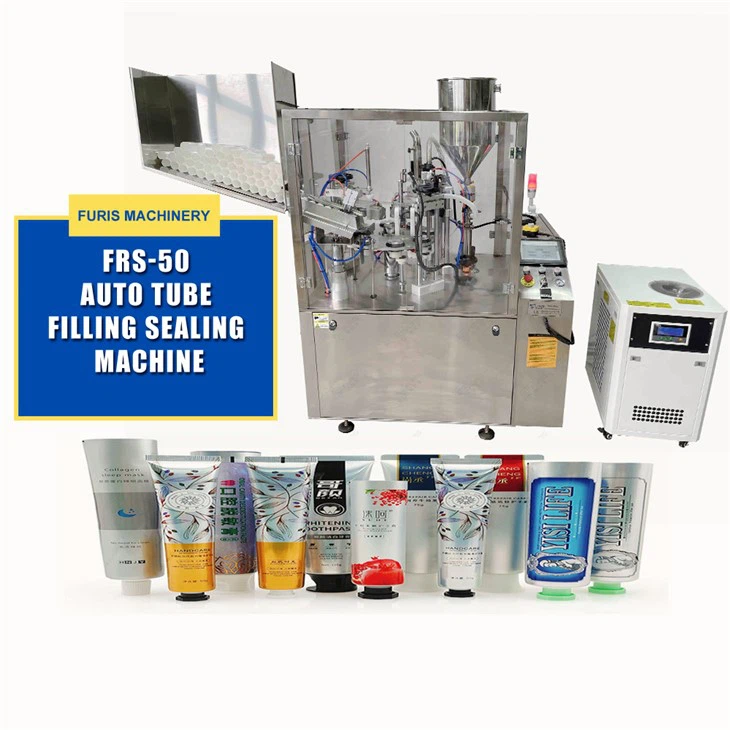
- FRS-80 Automatic Cosmetic LotionTube Filling Sealing Machine: This machine is designed for filling and sealing cosmetic lotion tubes. It features a high-speed filling system and a precision sealing mechanism to ensure accurate and consistent filling and sealing.
- High Speed Cosmetic Lotion Tube Filling Sealing Machine: This machine is designed for high-speed filling and sealing of cosmetic lotion tubes. It features a high-speed filling system and a precision sealing mechanism to ensure accurate and consistent filling and sealing.
- FRS-60 Automatic Tube Filling Sealing Machine 40-60pcs/min: This machine is designed for filling and sealing tubes at a speed of 40-60 pieces per minute. It features a high-speed filling system and a precision sealing mechanism to ensure accurate and consistent filling and sealing.
Contact Us for More Information
If you're looking to improve the coating uniformity of your film coating machine or if you're interested in learning more about our film coating machine solutions, please contact us today. Our team of experts is available to answer your questions and provide you with the information you need to make an informed decision. We look forward to working with you to help you achieve your coating goals.

References
- [Author Last Name], [Author First Name]. [Title of Book]. [Publisher Name], [Year of Publication].
- [Author Last Name], [Author First Name]. "[Title of Article]." [Name of Journal], Volume [Volume Number], Issue [Issue Number], [Year of Publication], Pages [Page Range].
- [Author Last Name], [Author First Name]. "[Title of Web Page]." [Name of Website], [Date of Access]. Available at: [URL].