


Tablet coating machines play a crucial role in the pharmaceutical and related industries. As a leading supplier of tablet coating machines, I am well - versed in the monitoring and control functions that these machines possess. In this blog, I will explore the various monitoring and control aspects of a tablet coating machine.
Temperature Monitoring and Control
One of the most critical factors in the tablet coating process is temperature. The temperature affects the viscosity of the coating solution, the drying rate of the coating on the tablets, and the overall quality of the final product.
Monitoring
Our tablet coating machines are equipped with high - precision temperature sensors placed at multiple locations within the coating chamber. These sensors continuously measure the temperature of the inlet air, the air inside the chamber, and the surface temperature of the tablets. The data is then transmitted to a central control unit in real - time.
Control
Based on the monitored temperature data, the control system can adjust the heating elements and the airflow rate. For example, if the temperature inside the chamber is too low, the control system will increase the power supplied to the heating elements to raise the temperature. Conversely, if the temperature is too high, it will reduce the heating power and may increase the airflow to dissipate the excess heat. This precise control ensures that the tablets are coated under optimal temperature conditions, resulting in a uniform and high - quality coating.
Humidity Monitoring and Control
Humidity also has a significant impact on the tablet coating process. Excessive humidity can cause the coating to become sticky, leading to tablet agglomeration, while low humidity can cause the coating to dry too quickly, resulting in a cracked or uneven coating.
Monitoring
Similar to temperature, humidity sensors are installed in the coating chamber to measure the relative humidity. These sensors provide accurate and up - to - date humidity readings, which are essential for maintaining the right environment for coating.
Control
The control system can adjust the humidity by using dehumidifiers or humidifiers. If the humidity is too high, the dehumidifier will be activated to remove moisture from the air. On the other hand, if the humidity is too low, the humidifier will add moisture to the air. This way, the humidity level can be kept within the desired range, ensuring a smooth and consistent coating process.
Coating Solution Flow Rate Monitoring and Control
The flow rate of the coating solution is another key parameter in the tablet coating process. It determines the thickness of the coating applied to the tablets.
Monitoring
Flow meters are used to measure the flow rate of the coating solution. These meters can accurately measure the volume of the solution passing through the system per unit time. The data is sent to the control unit for analysis.
Control
The control system can adjust the flow rate by regulating the pump speed. If the measured flow rate is lower than the set value, the pump speed will be increased to increase the flow rate. If the flow rate is too high, the pump speed will be decreased. This precise control of the flow rate ensures that each tablet receives the correct amount of coating solution, resulting in a uniform coating thickness.
Tablet Rotation Speed Monitoring and Control
The rotation speed of the tablets in the coating drum affects the distribution of the coating solution on the tablet surface.
Monitoring
Sensors are used to monitor the rotation speed of the coating drum. These sensors can detect the speed accurately and provide real - time feedback to the control system.
Control
Based on the monitored speed, the control system can adjust the motor speed to maintain the desired rotation speed. A consistent rotation speed is necessary to ensure that the coating solution is evenly distributed on all tablets, reducing the chances of uneven coating or missed spots.
Airflow Monitoring and Control
Airflow is essential for drying the coating on the tablets and maintaining a clean environment inside the coating chamber.
Monitoring
Airflow sensors are installed to measure the volume and velocity of the air entering and exiting the coating chamber. This data helps in understanding the airflow pattern and ensuring that there is sufficient air circulation.
Control
The control system can adjust the fans' speed to control the airflow. If the airflow is too low, the fans' speed will be increased to improve air circulation. If the airflow is too high, the fans' speed will be reduced to prevent the tablets from being blown around or the coating from being disrupted.
Benefits of Precise Monitoring and Control
The precise monitoring and control functions of our tablet coating machines offer several benefits. Firstly, they ensure high - quality products. By maintaining optimal temperature, humidity, flow rate, rotation speed, and airflow, the tablets are coated uniformly, with a smooth and defect - free surface. Secondly, it improves efficiency. The automated control system reduces the need for manual intervention, saving time and labor costs. Thirdly, it enhances product consistency. Every batch of tablets is coated under the same controlled conditions, resulting in consistent quality.
Related Products
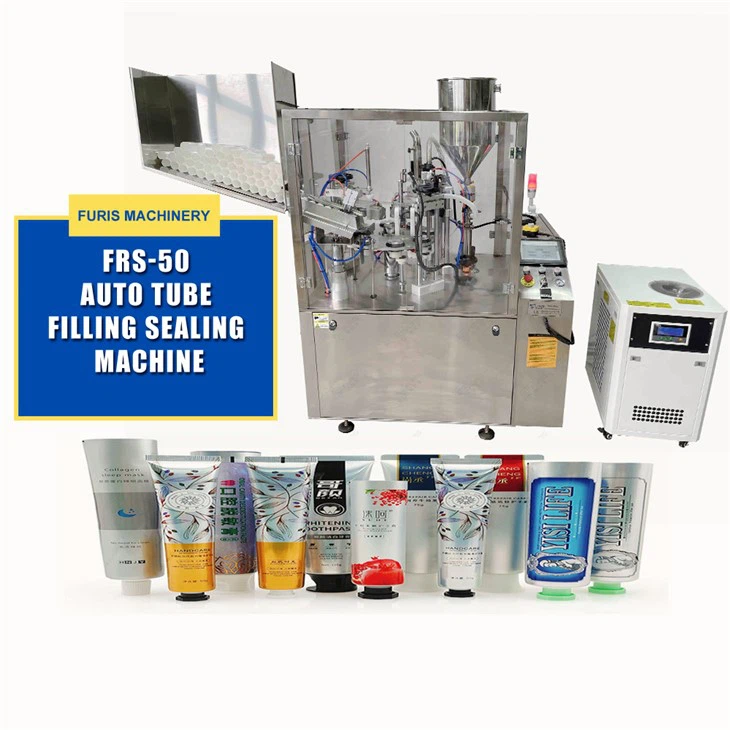
If you are interested in other related machines, we also offer a range of high - quality equipment. For example, our High Speed Cosmetic Lotion Tube Filling Sealing Machine is designed for fast and accurate filling and sealing of cosmetic lotion tubes. Our Low Cost Cosmetic Lotion Tube Filling And Sealing Machine provides an economical solution for small - to - medium - scale production. And the FRS - 80 Automatic Cosmetic LotionTube Filling Sealing Machine is a reliable and efficient option for automatic filling and sealing operations.
Contact for Purchase
If you are in the market for a tablet coating machine or any of our related products, we encourage you to contact us for a detailed discussion. Our team of experts is ready to provide you with professional advice and support to meet your specific needs. We can offer customized solutions based on your production requirements and budget. Don't hesitate to reach out to us and start the procurement process today.

References
- Pharmaceutical Process Development Handbook: An Industrial Perspective. Edited by G. S. Banker and C. T. Rhodes.
- Modern Pharmaceutics. Edited by Gilbert S. Banker and Christopher T. Rhodes.