


Hey there! As a supplier of tablet press machines, I've seen my fair share of maintenance issues over the years. In this blog, I'll walk you through some of the most common problems you might encounter with these machines and offer some tips on how to deal with them.
1. Wear and Tear of Tooling
One of the most prevalent issues with tablet press machines is the wear and tear of tooling, which includes punches and dies. These components are in direct contact with the materials being compressed into tablets, so they take a lot of abuse. Over time, the constant pressure and friction can cause the surfaces of the punches and dies to become worn, leading to issues like tablet sticking, capping, or inconsistent tablet weight.
The main reason for this wear is the abrasive nature of the materials being pressed. Some powders can be quite rough, and when they're forced through the tooling at high pressures, they can gradually erode the surfaces. Another factor is improper lubrication. If the tooling isn't lubricated correctly, the friction between the powder and the tooling will increase, accelerating the wear process.
To address this problem, regular inspection of the tooling is crucial. You should check for signs of wear, such as scratches, dents, or uneven surfaces, on a routine basis. If you notice any significant wear, it's time to replace the affected tooling. Additionally, make sure to use the right lubricants and apply them in the correct amounts. This will not only reduce wear but also improve the quality of the tablets being produced.
2. Motor and Drive System Problems
The motor and drive system are the heart of a tablet press machine, responsible for powering the various components and ensuring smooth operation. However, these parts can also experience a range of problems.
One common issue is overheating. If the motor is running for long periods at high loads or if there's poor ventilation around the machine, the motor can get too hot. Overheating can damage the motor windings and other components, leading to reduced performance or even complete failure. Another problem is belt slippage in the drive system. If the belts aren't properly tensioned or if they're worn out, they can slip, causing inconsistent rotation speeds and affecting the tablet production process.
To prevent overheating, ensure that the machine has adequate ventilation. You might need to clean the cooling fans regularly to remove any dust or debris that could block the airflow. For belt slippage, check the belt tension regularly and adjust it as needed. If the belts are worn, replace them promptly. Also, make sure to follow the manufacturer's guidelines for motor maintenance, such as regular oil changes and bearing inspections.
3. Powder Feeding Issues
Proper powder feeding is essential for producing high - quality tablets. However, there are several problems that can occur in the powder feeding system.
One of the most common issues is powder bridging. This happens when the powder forms a bridge or arch inside the hopper, preventing it from flowing freely into the die cavity. Bridging can be caused by factors like the moisture content of the powder, the shape and size of the particles, or the design of the hopper. Another problem is uneven powder filling. If the powder isn't distributed evenly in the die cavity, the tablets will have inconsistent weights and qualities.
To solve powder bridging, you can try using a vibrator on the hopper to break up the powder and encourage it to flow. Adjusting the moisture content of the powder can also help. For uneven powder filling, check the powder feeding mechanism. Make sure that the augers or other feeding devices are working properly and that there are no blockages in the feeding channels.
4. Compression and Tablet Quality Problems
The compression process is where the powder is turned into tablets, and there are several issues that can affect the quality of the tablets.
One problem is capping, where the top or bottom layer of the tablet separates from the rest. This can be caused by factors such as low compression force, improper powder formulation, or worn tooling. Another issue is lamination, which is when the tablet splits into layers. Lamination can be due to poor powder flow, excessive air entrapment in the powder, or incorrect compression settings.
To address capping, you may need to increase the compression force or adjust the powder formulation. If the tooling is worn, replacing it can also help. For lamination, improving the powder flow by adjusting the particle size or using a lubricant can be effective. You may also need to adjust the compression settings to reduce air entrapment.
5. Electrical and Control System Malfunctions
In modern tablet press machines, the electrical and control systems play a vital role in regulating the various functions. However, these systems can be prone to malfunctions.
Faulty sensors are a common problem. Sensors are used to monitor things like pressure, temperature, and tablet weight. If a sensor fails, it can provide inaccurate data, leading to incorrect machine settings and poor tablet quality. Another issue is problems with the control panel. The control panel is where you set the operating parameters of the machine, and if it malfunctions, you won't be able to control the machine properly.
To deal with sensor problems, regular calibration is necessary. You should follow the manufacturer's instructions for calibrating the sensors at the recommended intervals. If a sensor is completely faulty, replace it as soon as possible. For control panel issues, check for loose connections or damaged components. If you're not sure how to fix it, it's best to contact a professional technician.
Our Product Recommendations
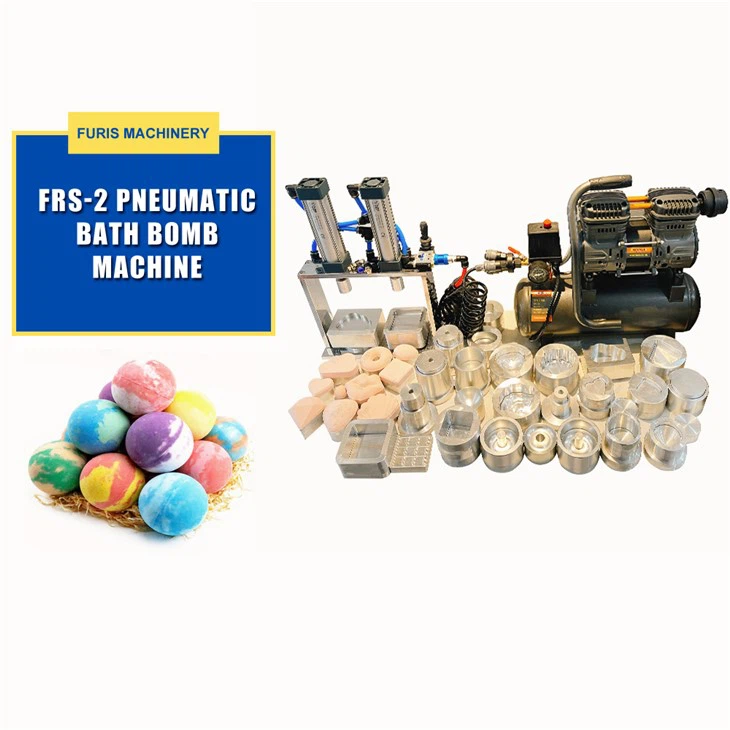
If you're in the market for a tablet press machine, we have some great options available. Check out our Quad Press Pneumatic Bath Bomb Press Manual Machine For Sale. It's a reliable and efficient machine for producing bath bombs. We also have the Mini Innovative Bath Bomb Molding Machine, which is perfect for small - scale production. And for those looking for a semi - automatic option, our Pneumatic Semi-auto Multi Bath Bomb Shower Steamer Press Machine is a great choice.
Contact Us for Purchase and Negotiation
If you're interested in any of our tablet press machines or have any questions about maintenance or operation, don't hesitate to reach out. We're here to help you find the right machine for your needs and provide you with the support you need for successful tablet production.

References
- Pharmaceutical Tablet Press Technology Handbook
- Industrial Machinery Maintenance Guide
So, that's a rundown of some of the common maintenance problems you might face with a tablet press machine. By being aware of these issues and taking proactive steps to prevent and address them, you can keep your machine running smoothly and produce high - quality tablets.