


Commissioning a blister packing machine is a critical process that ensures the machine operates efficiently, safely, and in line with the required standards. As a blister packing machine supplier, I understand the significance of a smooth commissioning process. Here, I will delve into the details of the commissioning process of a blister packing machine.
Pre - commissioning Preparation
Before starting the actual commissioning, a series of preparatory steps need to be taken. First and foremost, a comprehensive inspection of the machine upon arrival is essential. This includes checking the physical condition of the machine, ensuring that all components are intact and not damaged during transportation. Examine the mechanical parts such as the rollers, molds, and conveyor belts for any signs of wear or misalignment.
Next, verify that all the necessary electrical connections are correct. This involves checking the wiring harnesses, ensuring that they are properly plugged in and there are no loose connections. Electrical safety is of utmost importance, so making sure that the grounding system is in place and effective is crucial. The power supply should also be of the appropriate voltage and frequency as specified by the machine's manufacturer.
Prepare the necessary tooling and equipment for the commissioning process. This may include wrenches, screwdrivers, and other measuring tools. Additionally, gather all the relevant documentation such as the machine's user manual, maintenance guide, and electrical schematics. These documents will serve as a reference throughout the commissioning process and in future operations.
Mechanical Setup
Once the pre - commissioning preparations are complete, it's time to focus on the mechanical setup of the blister packing machine. Begin by installing the molds. The molds are a crucial part of the blister packing process as they determine the shape and size of the blisters. Carefully align the molds according to the machine's specifications. Make sure that the mold fasteners are tightened properly to prevent any movement during operation.
Adjust the conveyor belt system to ensure smooth and consistent movement of the packaging materials. Set the appropriate tension on the conveyor belts, as too much tension can cause premature wear, while too little tension can lead to slipping. Additionally, adjust the speed of the conveyor belt to match the desired production rate.
Calibrate the forming, sealing, and cutting mechanisms. For the forming mechanism, adjust the temperature and pressure settings to ensure that the plastic film is properly formed into the desired blister shape. The sealing mechanism requires precise adjustment of the sealing temperature, pressure, and time to create a strong and reliable seal between the plastic film and the backing material. The cutting mechanism should be adjusted to cut the blister packs cleanly and accurately.
Electrical and Control System Testing
After the mechanical setup, it's time to test the electrical and control systems of the blister packing machine. Power on the machine and check for any error messages or abnormal noises. Start by testing the basic electrical functions such as the lighting, fans, and motors. Ensure that all the motors are running smoothly and at the correct speed.
Test the control panel to make sure that all the functions can be operated correctly. This includes setting the production parameters such as the number of blisters per row, the speed of the machine, and the temperature and pressure settings. Check the sensors on the machine to ensure that they are functioning properly. Sensors are used to detect the presence of packaging materials, the position of the molds, and other critical parameters.
Perform a series of trial runs to test the overall functionality of the electrical and control systems in conjunction with the mechanical components. During these trial runs, monitor the machine closely for any malfunctions or irregularities. Make any necessary adjustments to the control parameters to optimize the machine's performance.
Material Feeding and Product Loading
Once the mechanical and electrical systems are functioning properly, it's time to test the material feeding and product loading processes. Start by loading the plastic film onto the film unwinding unit. Ensure that the film is fed smoothly through the machine without any wrinkles or jams. Adjust the film tension and alignment as needed.
Next, load the backing material, which could be aluminum foil or paperboard, depending on the application. Similar to the plastic film, make sure that the backing material is fed smoothly and accurately through the machine.

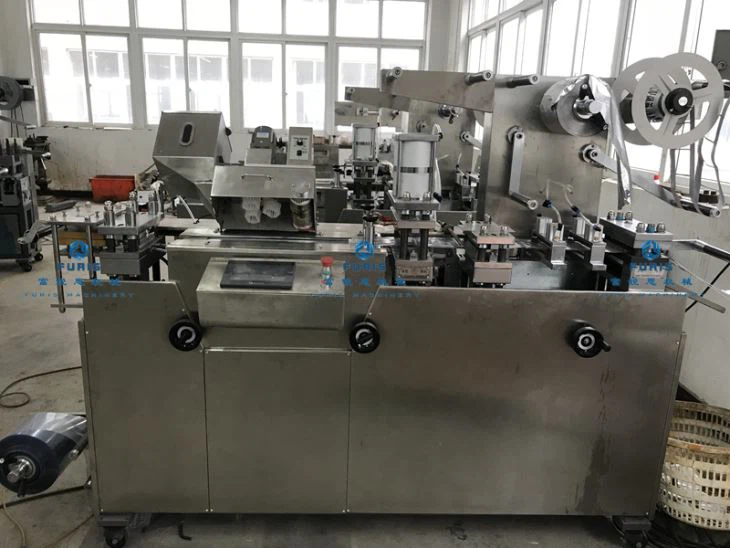
Test the product loading mechanism. If the blister packing machine is used for packaging pharmaceutical products, for example, ensure that the tablets or capsules can be accurately placed into the formed blisters. Adjust the product loading speed and position to achieve consistent and reliable product placement.
Quality Inspection of the Packed Products
After a batch of products has been packed, perform a thorough quality inspection. Check the appearance of the blister packs, ensuring that the blisters are properly formed, the seals are intact, and there are no leaks or defects. Measure the dimensions of the blister packs to ensure that they meet the required specifications.
Inspect the product inside the blisters. For pharmaceutical products, check for any broken tablets or capsules. Use appropriate testing equipment such as scale to check the weight of the products in each blister to ensure consistency.
If any quality issues are detected, analyze the root cause. It could be due to incorrect settings of the machine, problems with the packaging materials, or other factors. Make the necessary adjustments to the machine or change the materials as needed to improve the product quality.
Training and Documentation
As a blister packing machine supplier, providing training to the end - users is an important part of the commissioning process. Train the operators on how to operate the machine safely and efficiently. This includes training on starting and stopping the machine, adjusting the parameters, performing routine maintenance, and troubleshooting common problems.
Provide comprehensive documentation to the customer. This includes the commissioning report, which details all the tests performed, the settings adjusted, and the results obtained during the commissioning process. Also, give the user manual, maintenance guide, and spare parts catalog. These documents will help the customer to operate and maintain the machine in the long - term.
Conclusion
The commissioning process of a blister packing machine is a complex and comprehensive process that involves multiple steps, from pre - commissioning preparations to quality inspection and training. By following the proper procedures and paying attention to details, a smooth and successful commissioning can be achieved, ensuring that the machine operates at its best performance.
If you are interested in our Small Blister Packing Machine or Small Blister Packing Machine or Automatic Alu Alu Pvc Alu Blister Packing Machine For Pharma Field, or if you have any questions about the commissioning process or our blister packing machines, please feel free to contact us for a detailed discussion and potential purchase. We are committed to providing high - quality products and excellent after - sales service.
References
- "Blister Packaging Technology Handbook", various industry experts, [Publication Year]
- Manufacturer's documentation for blister packing machines
- Industry standards and guidelines related to packaging machinery commissioning